ST. LOUIS -- Mark Reinking is an assistant professor of physical therapy at St. Louis University, so he knows a thing or two about exercise. But even he's baffled by some of the things he sees people do at the gym. Not only are they putting themselves at risk for injury, but Reinking can't figure out the intended purpose of some of the exercises. Listed below are five of the most common risky exercises he and Heidi Prather, associate professor of physical medicine and rehabilitation at Washington University, see people doing all the time. They and Jason Barbour, personal training director at St. Louis Fitness Factory in downtown St. Louis, also have provided safe alternatives. Some of these moves can be done safely under the guidance of an expert, but they pose risks for those who haven't been properly trained. Toe Touches Why it's bad: It stresses the lower back and lumbar spine. It also doesn't effectively stretch the hamstring, and if you have short hamstrings, you're using other joints that you shouldn't be using to accomplish the motion. Rotating the torso toward one leg or the other is even more risky. Safe alternative: Try standing near a flight of stairs or other sturdy object and put the foot of the leg you want stretched on a step. Keeping the spine neutral, bend at the hip rather than the lower back, lowering your chest slowly toward your knee. Double Leg Lifts Why it's bad: Reinking says you can do this exercise correctly if you have really strong abdominal muscles that allow you to press your lower back into the floor. But most people don't, which causes them to arch their lower back, putting it in a hyper-extended position. Safe alternative: Lie on your belly, lift yourself on your toes and forearms and hold that position for several seconds. Make sure your spine is in the neutral position, so that your belly isn't swayed and your back and rear end aren't arched and sticking up. Lat Pull-Down Behind Neck Why it's bad: It puts a heavy load on the discs and muscles in the neck and upper back. Do it long enough, and Reinking says you'll develop neck pain. Safe alternative: Pull the bar down in front of your chest. The Plow Why it's bad: It puts the neck under a lot of stress. Safe alternative: Barbour recommends lying on your back and curling your knees up to your chest instead. Sit-Ups With Hands Behind the Head Why it's bad: Clasping your hands behind your head puts stress on the neck. Doing sit-ups with your legs flat on the floor and sitting all the way up until your chest touches your legs is also bad because it puts stress on the lower back. Safe alternative: Try a crunch. Cross your arms over your chest, bend your knees and keep your head and shoulders in the neutral position. Lift you upper body until it's just off the ground. Source: Virginian - Pilot. Provided by ProQuest Information and Learning. Powered by Yellowbrix.
The goal: Stretch the hamstrings
The goal: To strengthen abdominal muscles
The goal: To build up your shoulder and back muscles
The goal: It's a yoga move designed to stretch the lower back.
SIT-UPS WITH HANDS BEHIND THE HEAD The goal: Strengthen abdominal muscles
Monday, March 31, 2008
Good Exercises vs. Bad Exercises
Saturday, March 29, 2008
Bad Effects of Carbonated Soft Drinks
 Carbonated soft drinks are the single biggest source of calories in the American diet, providing about 7 percent of calories; adding in noncarbonated drinks brings the figure to 9 percent. Teenagers get 13 percent of their calories from carbonated and noncarbonated soft drinks.
While many different categories make up the American beverage product picture, carbonated soft drinks (CSDs) paint the broadest strokes. As the “granddaddy of them all,” carbonated soft drinks (CSD)s occupy a unique place in the hearts, minds and palates of the American consumer.
Still and carbonated soft drinks will also contain trace elements of minerals from their main ingredient, water, and other ingredients e.g. juices. Some are also fortified with vitamins, details of which will appear on the label.
History of Carbonated Soft Drinks
Soft drinks have been an anchor in American culture since the beginning of the twentieth century, but the roots of these beverages extend much further back in time.
The first carbonated soft drinks, which were named as such in order to clearly differentiate them from hard, alcoholic beverages, and the technology to make them were imported from the Europeans, who had discovered how to force carbon dioxide gas into water back in the sixteenth century.
The original bubbly drinks were carbonated mineral waters mimicking those found in therapeutic natural springs and the first of these were patented in the United States in 1810. Less than a decade later, the soda fountain was patented as well. By the mid-1800s, American chemists and pharmacists were concocting sweetened, flavored carbonated beverages.
Soft drinks now can be found most anywhere in the world, but nowhere are they as ubiquitous as in the United States, where 450 different types are sold and more than 2.5 million vending machines dispense them around the clock, including in our schools. The American Beverage Association says that, in 2004, 28 percent of all beverages consumed in the U.S. were carbonated soft drinks.
Why are Carbonated Soft Drinks a Concern for Health?
Excessive use of carbonated beverages, sports drinks and fruit drinks can impact bone health, oral health and lead to obesity in young people. The typical 12-ounce can of non-diet pop provides approximately 150 calories, nine teaspoons of sugar, and no minerals or vitamins.
Sports drinks and fruit drinks have similar amounts of sugar and calories but often have
some vitamins and minerals.
Because many carbonated soft drinks are high in caffeine, they are also mildly addictive, leading to increased consumption. Girls ages 12 to 19 years consume an average of 59 mg of caffeine per day and boys consume an average of 86 mg of caffeine per day. One can of cola contains 40 to 45 mg of caffeine.
The high acid and sugar content of pop provide a rich environment for dental decay. The high calorie content of pop may add to the increasing rate of obesity in youth. Overweight adolescents are more likely to become overweight adults.
As carbonated soft drinks tend to contain high amounts of both sugars and acids, they’re the worst possible combination for dental health.
A new study on the risk factors associated with nighttime heartburn found drinking carbonated soft drinks and the use of benzodiazepines, a commonly-prescribed class of sleeping pill, are among the strongest predictors of that painful burning sensation.
School-age girls who drink a lot of carbonated soft drinks are increasing their risk of osteoporosis.
Carbonated Soft drinks and bones health 
There has been a theory that the phosphoric acid contained in some soft drinks (colas) displaces calcium from the bones, lowering bone density of the skeleton and leading to conditions such as osteoporosis and very weak bones. However, calcium metabolism studies by leading calcium and bone expert Dr. Robert Heaney determined that the net effect of carbonated soft drinks, (including colas, which use phosphoric acid as the acidulant) on calcium retention was negligible. He concluded that it is likely that colas prominence in observational studies is due to their prominence in the marketplace, and that the real issue is that people who drink a lot of soft drinks also tend to have an overall diet that is low in calcium.
Reducing consumption of carbonated soft drinks, replacing benzodiazepines with other types of sleeping pills, and losing weight can all help reduce nighttime heartburn.
Friday, March 28, 2008
6 or 10 glasses? How much water should we drink each day?
 Like the earth, humans and all other animal life are about three-quarters water. It is therefore no wonder that drinking plenty of water is so vital to our well being.
Many times a day we feel our energy levels falling and we reach for food when, in fact, we are actually in need of water. How often do we spend money and time on medical treatment for conditions which could have easily been prevented through proper hydration. Experts say that we are often dehydrated even before we feel thirsty. Water is essential to keep us fit and healthy
6 Tips on drinking more water:
- Add flavored packets If water alone bores you, take advantage of the new flavor packets that are sold specifically to enhance the taste of water.
- Get fun to go containers Always have water with you or in the car. Get good size, fun colored containers. The larger the container, the fewer the refills.
- Change your daily habits Wake up to your first glass of water.
- Make it a rule to order water (with or without lemon) instead of a diet soda when you go out to eat.
- Drink a glass before you eat Water helps to curb your appetite. It is easy to confuse hunger with being thirsty, so try water first. Drinking water makes you feel active.
- Use straws, add ice and a lemon or even a small slice of orange Make this glass of water feel like a treat.
So what are we waiting for? Let us drink eight glasses of water a day. It is easy, costs nothing and the benefits are life changing.
So how much water should one drink each day? The question seems like it commands a simple answer, but the reality is that the response varies based upon your body’s needs. A lot of sources will tell you that you need a minimum of 8 glasses a day, but the truth of the matter is that you need to obey your own internal requirements.
Experts are now saying that there is no set number. Rather, when you are thirsty, you should drink. If you find yourself experiencing headaches or dizziness, chances are that you are depriving your body of water, whether or not you are meeting the 8 glasses a day standard. If your urine is highly concentrated and anything other than clear/very pale yellow in color, then that is another telltale sign that your body wants more.
 So, how much should you drink? - Lots!
Six to ten glasses is a safe bet but if you want to be more specific it’s recommended you drink 50 – 75% of your body weight in ounces depending on whether you are sedentary or active.
You might also want to add a bit more if it’s really hot or you are working extra hard, so for example, a person who weighs 150 lbs, lives in a dry climate and is doing strenuous exercises should drink 75% x 150 oz = 112 oz + 15 oz (activity) + 15 oz (climate) = Total 142 oz per day.
A frequently quoted figure is that adults should drink eight glasses of water a day, although Dr John Leiper, an expert in fluid balance and hydration at Aberdeen University, disputes it. “The figure of eight glasses a day is completely spurious. There is no evidence that drinking that much water does anybody any good. Although it probably won’t be doing you any harm.”
While it is true that individuals will on average lose about eight glasses worth of water a day, it doesn’t have to be replenished by water: soft drinks, even coffee, all help rehydration. “There is nothing wrong with drinking coffee,” says Dr Leiper. “The idea that coffee is a diuretic is nonsense. Yes, if you give someone who is completely caffeine naive a lot of caffeine, then it will act as a diuretic on them. But if you are used to drinking a lot of coffee then it won’t - your body gets used to it.
In healthy adults, fluid intake is regulated by thirst. Water is an essential nutrient for life and is considered the ideal drink to quench thirst and ensure hydration.
Ironically, it is very often ignored as part of our dietary recommendations. Most people are familiar with the general recommendation for adults of eight glasses of water per day. Yet, estimating water or fluid intake requirements is not easy and individual requirements are highly variable.
The National Research Council (NRC) recommends a daily water intake of approximately 1ml/kcal energy expenditure. The eight glasses of water per day is based on this recommendation and on the average weight of a 70kg male.
No single formula fits every individual or every situation and water intake recommendations also depend on other factors such as activity, humidity, climate, body temperature and body composition.
Daily turnover of water is approximately 4% of total body weight and even higher proportions in children.
Water losses from the lungs and skin (insensible losses; 500 - 1000ml/day) are responsible for approximately half of the daily turnover and sensible losses from stools (50 -100ml/day) and urine account for the rest of the daily losses.
Yet, despite of changes in body composition and function as well as the environment, most healthy people manage to regulate daily water balance well across their lifespan.
You can use a very good Hydration Calculator
Current recommendations:
The Institute of Medicine (IOM) established the Dietary Reference Intakes for water . The committee established the Adequate Intake (AI) for total water to prevent dehydration.
Based on a wide range of normal hydration status of the population, the AI was established according to the median total fluid intake (water, fluid from food and other drinks). The AI’s for sedentary men and women (aged 19-50 years) is 3,71 and 2,71 litres per day respectively.
Solid food and digestion of food also contributes to this recommendation. Drinking fluids represents approximately 81% of total water intake, resulting in a recommended intake of 3,01 litres per day for men (12 glasses of 250ml) and 2,71 liters per day (10 glasses of 250ml) for women.
Thursday, March 27, 2008
Health Benefits of Olive Oil
 Biological Background: Olive oil is extracted from ground olives (Olea europaea).
Nutritional Info: A tablespoon of olive oil contains 14 g of fat (mainly monounsaturated oleic acid), equivalent to 120calories.
Pharmacological Activity: Olive oil is rich in oleic acid, a monosaturated fatty acid, and phytochemicals oleurpein and hydrooxylorosol, potent anti oxidants. Olive oil can lower blood levels of an undesirable form of cholesterol, LDL, while raising the level of HDL, the desirable kind of cholesterol and help keep LDLcholesterol from being converted to a toxic or oxidized form, thus protecting arteries from the fatty plague. Olive oil can also reduce blood pressure and help regulate blood sugars. Oleuropein and hydrooxylorosol in oliveoil help fight cancers, especially braest cancer.
Eating Tips: Use olive oil for salads and cooking.
 Healthy Food This entry was posted on Monday, August 6th, 2007 at 11:33 pm and is filed under Healthy Food.
Wednesday, March 26, 2008
NUTRITIONAL RECIPES
Vanilla n’ Cinnamon Smoothie
Ingredients:
2 scoops Vanilla Prostar or Vanilla Whey Supreme
2½ tsp. ground cinnamon
6 ice cubes
8 oz. water
Directions:
Blend at a high speed for 45 seconds and serve.
Iced Mocha Shake
Ingredients:
6 ice cubes or 1 cup crushed ice
1 cup water
2 scoops of Cocoa Mocha Prostar Whey
Directions:
Combine Cocoa Mocha Prostar Whey, ice, and water in a blender for 1 minute until smooth. Pour and enjoy!
Belgian Waffles
Belgian-style waffles are thicker than standard waffles. This recipe can be prepared in either type of waffle maker.
Ingredients:
1 cup Natural Prostar Whey
2 tablespoons sugar substitute
1 tablespoon baking powder
3 eggs or equivalent egg substitute
1 tsp vanilla
1/4 cup water
1/4 cup cream
Directions:
Vegetable oil spray to grease waffle iron
Makes approx. 5 waffles
Hazelnut Biscotti
Try these with our Iced Mocha
Recipe makes approx. 30 biscotti
Ingredients:
1 1/2 cups Chopped hazelnuts
1 cup Natural Prostar Whey Protein
3/4 cup sugar substitute
1 teaspoon ground cinnamon
1/4 cup non-fat plain yogurt
4 eggs or equivalent egg substitute lightly beaten
1 1/2 sticks unsalted butter or butter substitute
Directions:
1. Pre-heat oven to 350F.
2. Combine hazelnuts, Natural Prostar Whey Protein, and cinnamon in one bowl.
3. In a second bowl mix yogurt and eggs.
4. Using an electric mixer on medium speed, beat butter with sugar substitute for several minutes until creamy. Then add the egg mixture and mix for 1 minute.
5. Turn mixer to low and add dry ingredients until combined.
6. Chill dough for 1 hour.
7. Divide dough in half. On ungreased baking sheets, form each dough half into a log measuring 10 “ x 2”
5. Bake logs 30 minutes, just before firm. Use a wire rack to cool for at least 10 minutes. Reduce oven temperature to 325°F.
6. Carefully cut logs crosswise into 1/2" wide slices. Now, Bake these slices for 17-20 minutes until crisp.
7. Cool slices before serving
Pumpkin Cookies
Makes one dozen cookies
Ingredients:
3/4 cup Sugar Substitute
1 cup rolled oats
1.5 cups Natural Prostar Whey Protein
1 3/4 teaspoons baking soda
1/2 teaspoon baking powder
2 teaspoons ground cinnamon
1 teaspoon ground nutmeg
1/2 cup pumpkin puree
1 tablespoon canola oil
2 teaspoons water
2 egg whites
1 teaspoon molasses
Directions:
1 Preheat oven to 350 degrees F (175 degrees C).
2 In a large bowl, combine sugar substitute, oats, Natural Prostar Whey Protein, baking soda, baking powder, cinnamon, and nutmeg. Stir in pumpkin, canola oil, water, egg whites, and molasses. Roll into 12 large balls, and flatten on a baking sheet.
3 Bake for no longer than 5 minutes in preheated oven.
High Protein Bread for Bread Machines
Ingredients:
2 teaspoons active dry yeast
1 cup bread flour
1 ½ cup Natural Prostar Whey Protein
1/4 cup oat bran
1 tablespoon vegetable oil
1 tablespoon honey
1 cup water
Directions:
1 Transfer ingredients in the pan of the bread machine in the order recommended by the manufacturer. Choose basic medium or regular setting; press Start.
Protein Chocolate Chip Muffins
Ingredients:
1 cup Natural or Vanilla Prostar Whey Protein
1/2 cup sugar substitute
1/2 cup nonfat plain yogurt
2 tablespoons melted butter
2 tablespoons skim milk
2 tablespoons water
2 teaspoons vanilla extract
1/2 cup sugar-free chocolate chips
Directions:
1. Pre- Heat oven to 350ºF.
2. Spray with vegetable oil muffin pans.
3. In one bowl, mix Natural or Vanilla Prostar Whey Protein and sugar substitute.
4. In another bowl, combine yogurt, butter, skim milk, water and vanilla extract.
5. Add the yogurt mixture to the protein mixture. Stir until well combined.
6. Fold in sugar-free chocolate chips.
7. Pour batter into pan compartments, using about 2-3 rounded tablespoons per muffin.
3. Bake 15-20 minutes, or until lightly browned on top and toothpick inserted in center comes out clean. Cool muffins in pans for 2 minutes, and then on wire racks for at least 10 minutes.
Pinwheel Cookies
Ingredients:
Dough:
1 cup Natural or Vanilla Prostar Whey Protein
4 ounces reduced fat cream cheese, softened
2 tablespoons unsalted butter at room temperature
2 tablespoons nonfat plain yogurt
2 tablespoons sugar substitute
Filling:
1/4 cup nuts, finely chopped
1/4 teaspoon ground cinnamon
1/4 cup sugar-free chocolate chips
Directions:
1. Preheat oven to 350º F. Line two baking sheets with aluminum foil
2. Using an electric mixer on low, combine cream cheese, butter, Yogurt and sugar substitute until smooth,. Then mix in ½ cup Natural or Vanilla Prostar Whey Protein. Turn dough out onto counter and knead in remaining Natural or Vanilla Prostar Whey Protein.
3. Form dough into a rectangle, cover with plastic wrap and refrigerate for 20 minutes. While dough is chilling, combine walnuts, chocolate chips and cinnamon.
4. Roll dough between two pieces of plastic wrap to a rectangle measuring 7” x 12”. Remove top layer of plastic wrap. Sprinkle chocolate-nut filling evenly over dough, leaving a 1/2” border along the longer side. Roll dough up jelly roll style, beginning with the long side and using bottom sheet of plastic wrap to help roll the dough into a cylinder. Place in freezer and chill for 10 minutes
5. Using a sharp knife, cut roll into 1/2” slices. Arrange slices on prepared baking sheets. Bake 18 minutes, or until lightly browned.
**The cookie roll can be made ahead of time and frozen. Thaw for 10 minutes before slicing.
Protein Brownies
Ingredients:
Vegetable oil spray for greasing baking pan
4 ounces sugar-free chocolate Candy Bar, chopped
2 sticks unsalted butter, softened
3 tablespoons sugar substitute
4 eggs or equivalent egg substitute
3/4 cup Chocolate Prostar Whey Protein
1/2 cup water
1 teaspoons vanilla extract
Directions:
1. Preheat oven to 350°F. Line an 8" square baking pan with aluminum foil and spray with cooking spray.
2. Melt chocolate in the microwave on low power and set aside to cool.
3. Using an electric mixer on medium, combine butter and sugar substitute until light and creamy. Add in eggs, one at a time. Add melted chocolate and mix well. Add Chocolate Prostar Whey Protein, water, sugar substitute and vanilla, and mix until just combined.
4. Pour batter into prepared pan. Bake 20 to 25 minutes. Cool and cut into 16 squares
Tropical Raspberry Smoothie
Ingredients:
1/4 cup unsweetened coconut milk
1 scoop Raspberry Prostar Whey Protein
1/2 cup fresh raspberries, plus more for garnish if desired
1 tablespoon sugar substitute
3 ice cubes
¼ cup water
Directions:
1. Combine coconut milk, water, 1/2 cup raspberries, sugar substitute Raspberry Prostar Whey Protein; blend until smooth.
2. Add the ice cubes, and blend until smooth. Pour into a tall glass, Serve immediately.
Strawberry-Banana Protein Shake
Ingredients:
3 scoops Ultimate Nutrition Prostar Whey Natural
2 cups fat-free milk
2 cups low-fat vanilla yogurt
8-10 ice cubes
1/2 cup frozen or fresh strawberries
1/2 cup frozen banana or 1/2 banana
Directions:
Blend on high speed for 1 minute.
This makes 2 servings with 58g protein per serving.
Protein types: Milk & Whey protein
Protein Pudding (Chocolate or Vanilla)
Ingredients:
1.5 scoops scoops Ultimate Nutrition Prostar Whey Natural
1 packet Jell-O® Brand (Chocolate or Vanilla) Instant Sugar-Free Fat-Free Pudding
3 cups low fat milk
Directions:
Mix Ultimate Nutrition Prostar Whey Natural, Jell-O® packet ,and low fat milk in a large bowl or a blender. Second, pour into 2 medium-sized bowls and refrigerate for 9-12 minutes or until thick and creamy.
This makes 2 servings with 31g protein per serving.
Protein types: Milk & Whey protein
Source = http://ultimatenutrition.com
Monday, March 24, 2008
2008 Arnold Amateur Championships Review!
 | The prejudging was held at the Veteran's Memorial Auditorium so the athletes got a taste of what the professional stage is all about. Here is my review of the 2008 Arnold Amateur Championships. |

By: Mark Mason
In 2007 Bob Lormier and Mike Davies presented the first Arnold Amateur Bodybuilding, Fitness & Figure Competition. In 2008 a bold and innovate move was made to open the event to all IFBB amateur competitors from Europe, Asia, Canada and all of the Americas.
The addition of these top athletes introduced a new competitive spirit to the show as well as a truly international flavor. There is one group may not have been so delighted with the addition of the international competitors: The American men bodybuilders. The Americans were soundly skunked taking first in only two classes.

Men's Bodybuilding
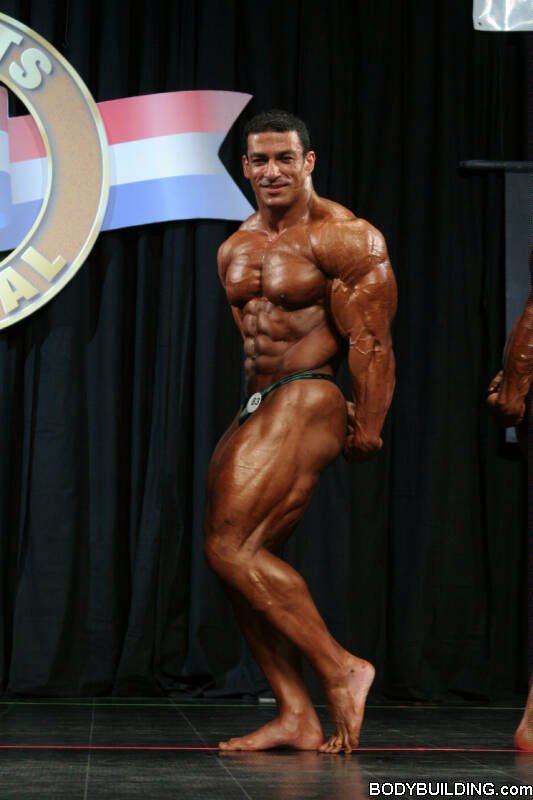
The men's super heavyweight and eventual overall winner Tarek Elsetouhi clearly dominated the stellar cast of competitors.
 Click Image To Enlarge.
Tarek Elsetouhi.
The Egyptian born Elsetouhi, who now resides in Germany, was thick and symmetrical and posed with the confidence of a twenty-year veteran.
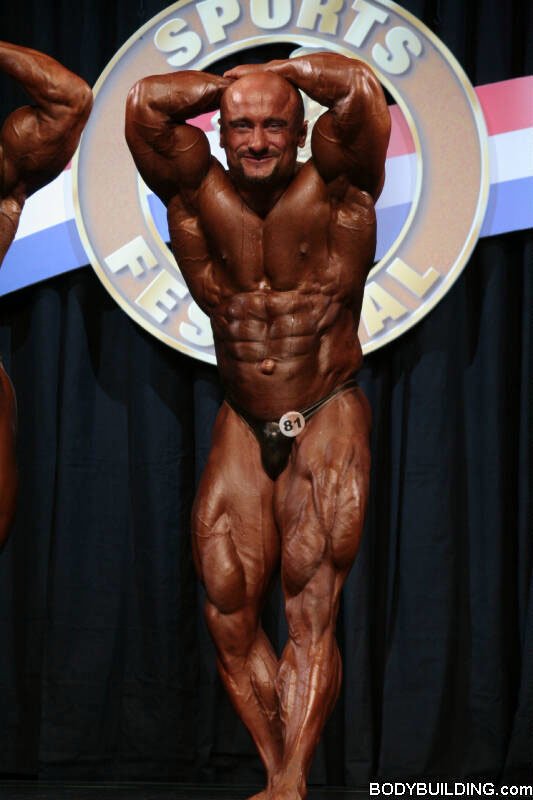
His chief competition was Poland's Robert Piotrkowicz. It was a disappointing loss for Piotrkowicz who is reigning 2007 IFBB amateur overall world champion.
 Click Image To Enlarge.
Robert Piotrkowicz.
The Pole had great shape and deep muscle bellies but Elsetouhin's conditioning and narrow waist was the overall deciding factor.
Californian Benjamin Parra walked away with first place in the heavyweight class although second place Argentinean Jorge Asp looked sensational as did number three Mathew Stefan of Peru.
 Click Image To Enlarge.
Benjamin Parra.
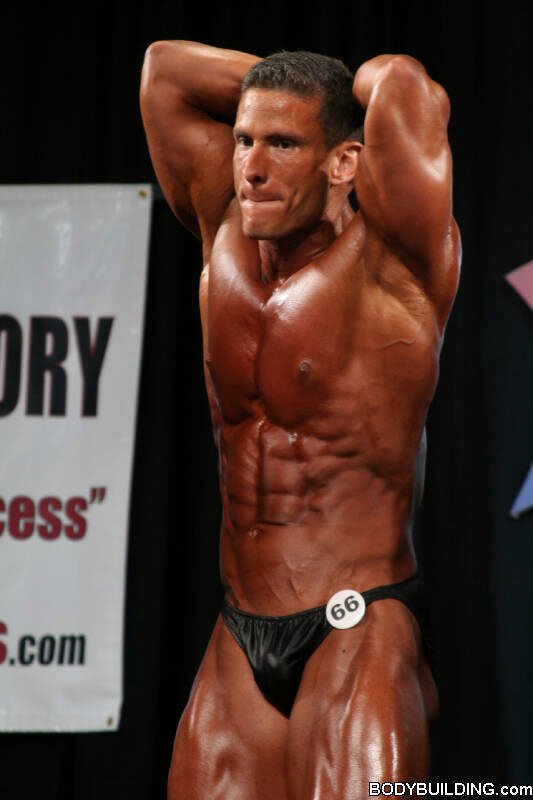
Asp and Stefan were only a small part of the South American Cartel that came to conquer in Columbus. I would be remiss if I didn't mention fourth place Carlos Rodriquez.
 Click Image To Enlarge.
Carlos Rodriquez.
Rodriquez had the most pleasing physique of the show. His lines flowed well and his posing was exquisite. With proper training and diet he has room to grow into an international threat.
The light-heavyweight class was definitely the most evenly matched of the night. Each of the top five came in phenomenal shape.
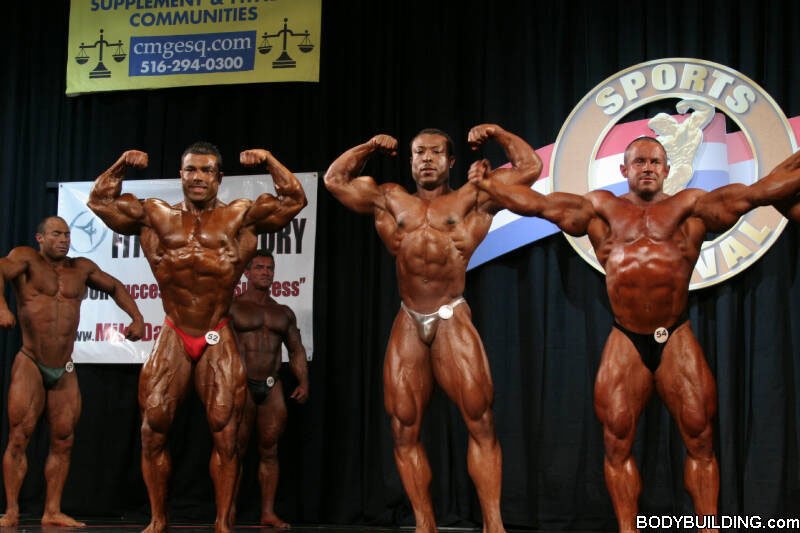
The high caliber of competition pushed the athletes well beyond the norm. The Brazilian Behemoth Eduardo Correia posed his way into Arnold Classic history taking first place on the way.
 Click Image To Enlarge.
Eduardo Correia.
There was a friendly clash for second and third between Swede Pierre Chamoun and the American young gun Christopher Jalai. Chamoun got the second place nod from the judges with Jalai getting the biggest response from the crowd.
 Click Image To Enlarge.
Pierre Chamoun.
The middleweight category was the classic battle of size versus conditioning and symmetry. Arturo Casteneda displayed a physique flaunting both. Just right amount of muscle for his frame and his conditioning couldn't get much better.
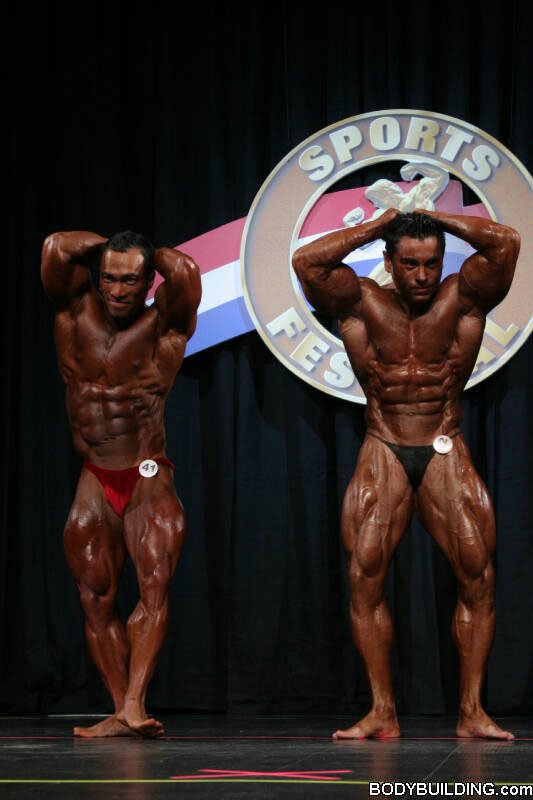 Click Image To Enlarge.
Arturo Casteneda.
Second place winner John Durante probably had Castenenda in the legs. With further improvement in his traps and delts and Durante can make his name in the middleweight class.
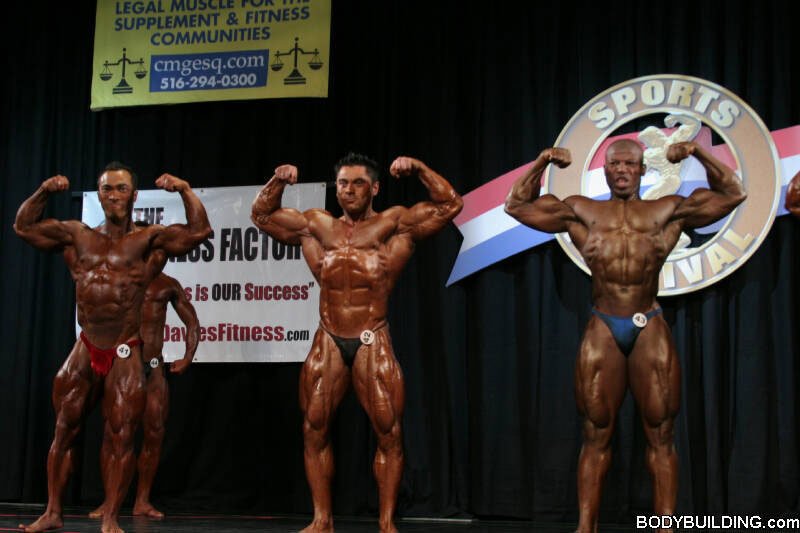 Click Image To Enlarge.
John Durante.
The number three man was Raul Martinez of Miami Beach. On any other day Martinez could have taken the class but Castenenda and Durante physiques were a level above the rest of the class.
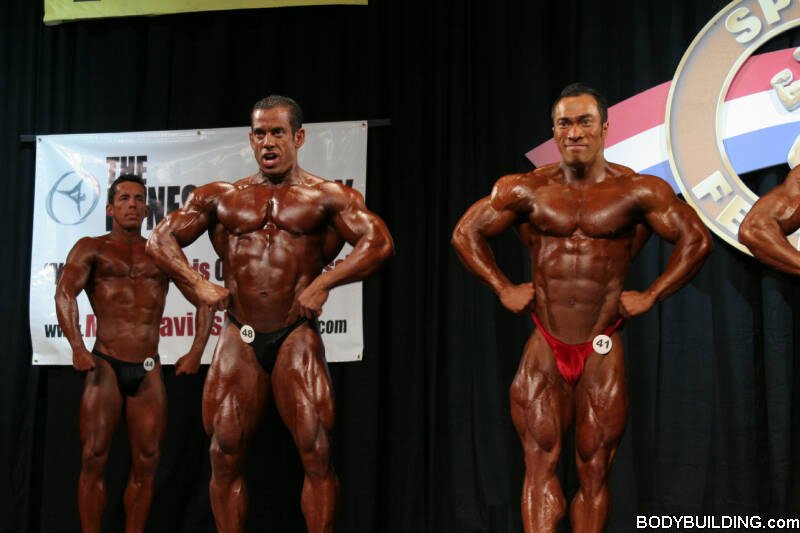 Click Image To Enlarge.
Raul Martinez.
Thick as a brick is the only way to describe welterweight winner Javier Reynoso. Reynoso had to be wider then he was tall.
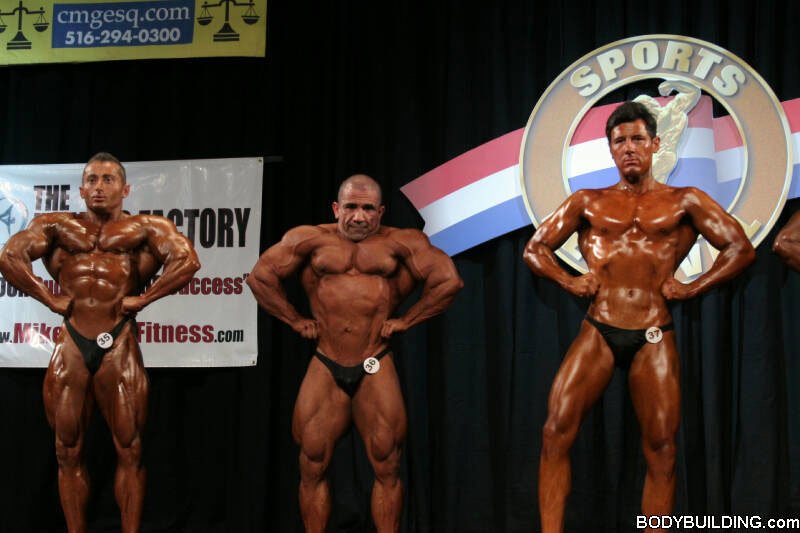 Click Image To Enlarge.
Javier Reynoso.
He swaggered about like a longshoreman as he pounded one classic bodybuilding pose after another. There was nothing artistic about Reynoso's presentation.
It was brutal and in your face a` la Sergio Oliva. The polar opposite of Reynoso was second place winner, Italian pretty boy, Corrado Maggiore.
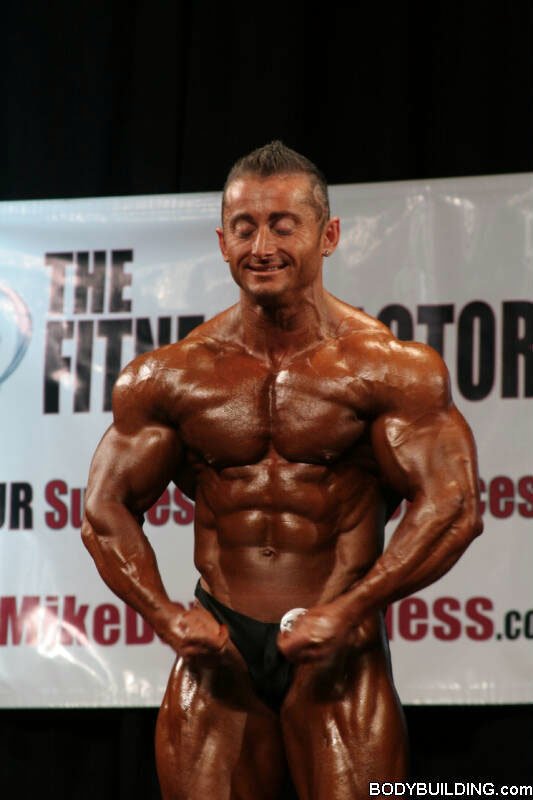 Click Image To Enlarge.
Corrado Maggiore.
He posed with the fluidity of Nureyev bringing the Arnold Expo crowd to near silence. New Yorker John Givens took third place in the welterweights.
 Click Image To Enlarge.
John Givens.
Lightweight champion Jose Carlo Santos is no stranger to the winner's circle. He was the 2007 65kg class winner at the 2007 men's amateur championships in Korea.
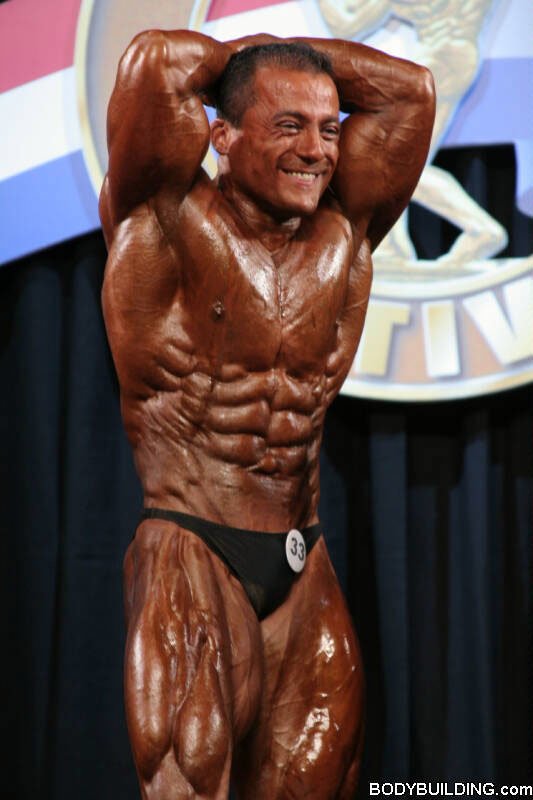 Click Image To Enlarge.
Jose Carlo Santos.
The Brazilian born Santos defeated his nemesis from Malaysia Szali Abd Samad who was also a class winner at the world championships last year. The Buckeye State's Omar Holt was relegated to third place.
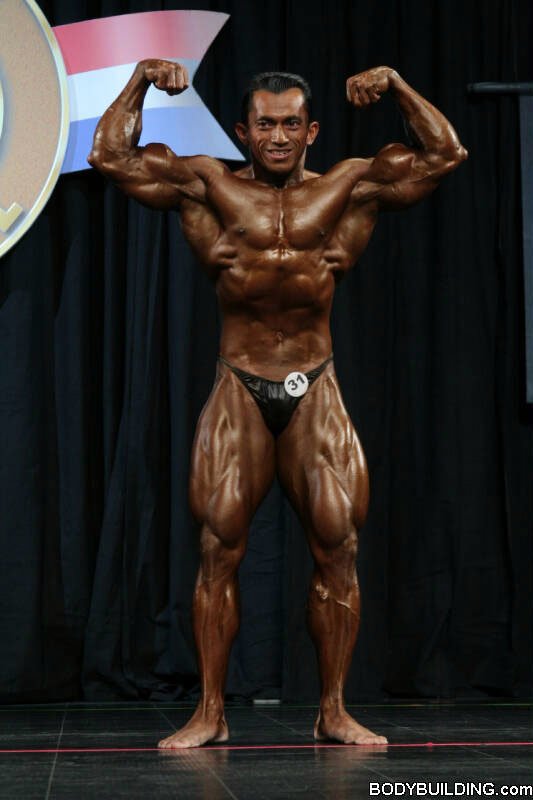 Click Image To Enlarge.
Szali Abd Samad.
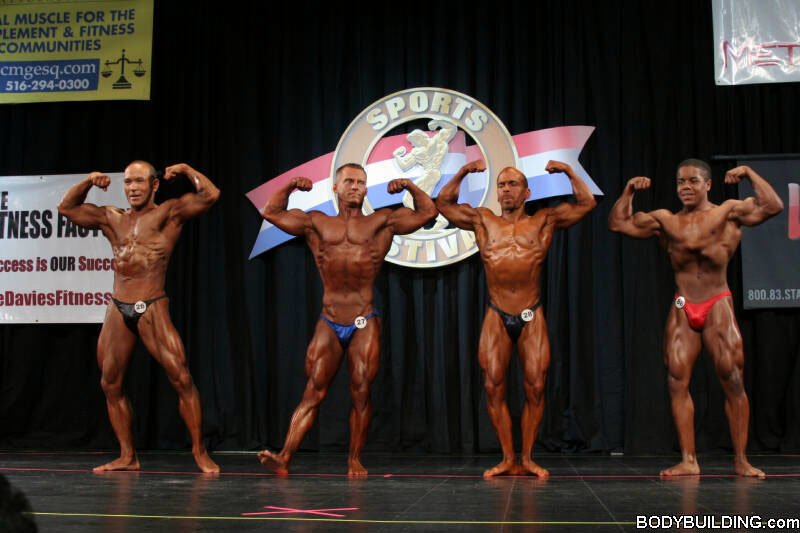
The bantamweight class was the only class boasting an All-American line up. Kentuckian Dewayne Sammons bounced back after a disappointing prejudging to claim first over Mark Zmitravich.
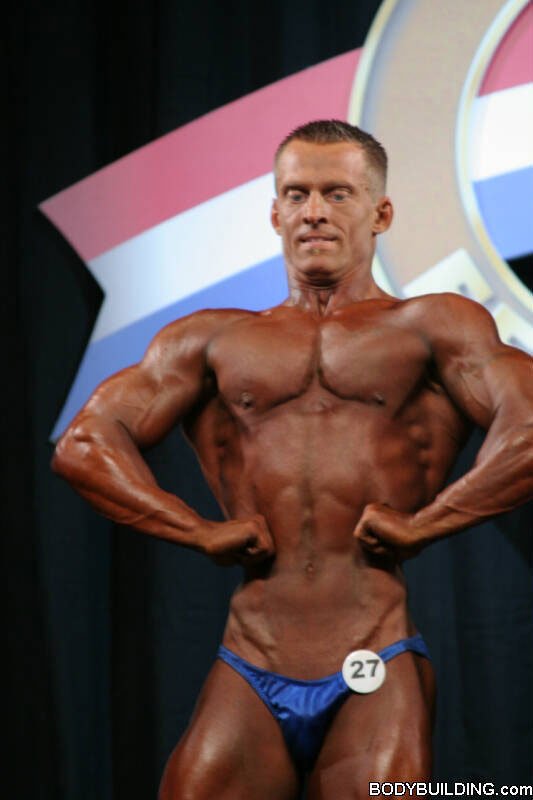 Click Image To Enlarge.
Dewayne Sammons.
Lowell Starr placed third in a close race with teen Lance Maxwell. Maxwell's fourth place finish in his first national competition is no small feat.
 Click Image To Enlarge.
Lowell Starr.
Maxwell won the teen division in last years Flex Wheeler Classic with a posing routine that left the "Swami" Lonnie Teper nearly speechless. That is quite an accomplishment in itself.
Placings
- Overall Men's Bodybuilding Winner: Tarek Elsetouhi
- Arturo Castaneda
- Raul Martinez
- John Durante
- Fausto Caicedo
- Alexander Dunn
- Sixto Fermin
- Joe Valdez
- Doug Porterfield
- Leonardo Fuenmayor
- Michael Ferris
- Eduardo Correia
- Pierre Chamoun
- Christopher Jalai
- Marvin Nagelbloem
- James Liewellin
- Gerardo Cabrera
- Antonio Diaz
- Omar Garcia
- Michael Martino
- Reginald Ruffin
- Tony D'Ardeneaux
- Eric McCormack
- Todd Willow
- Benjamin Parra
- Jorge Asp
- Mathew Stefan
- Carlos Rodriquez
- Al Horvath
- Laszlo Berkes
- Salid Karmara
- Gil Ansah
- Jean Vergara
- Samuel Helgesen
- Graham Matthews
- Guy Malam Annou
Finalists: Bantamweight
Finalists: Welterweight
Finalists: Lightweight
Finalists: Middleweight
Finalists: Light-Heavyweight
Finalists: Heavyweight
Finalists: Super-Heavyweight
Women's Bodybuilding
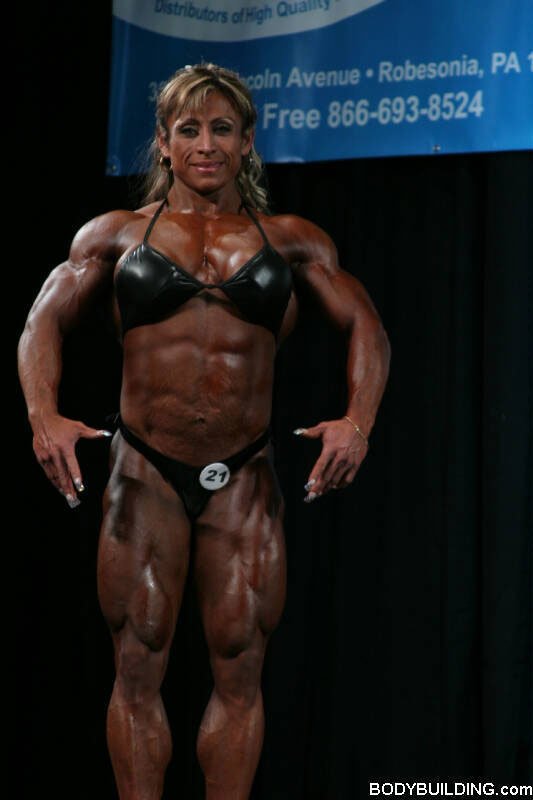
The Arnold Amateur women's competition also featured some great physiques from around the world. Women's overall winner Mari Carmen Gomez Segura dominated the heavyweight class not only in her physique but by her stage presence as well.
 Click Image To Enlarge.
Mari Carmen Gomez Segura.
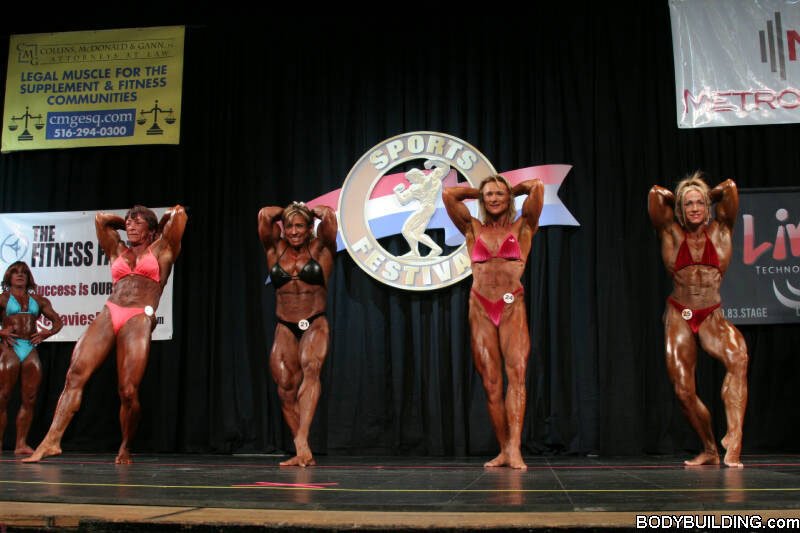
The Arnold Expo spectators came alive during Segura's routine and stayed around to cheer her overall award later. Her closest competition in the heavyweight class was from the blond Canadian Marylynne MacKenzie although Segura was in a class of her own. Marcia Furgeson took third place honors.
 Click Image To Enlarge.
Marylynne MacKenzie.
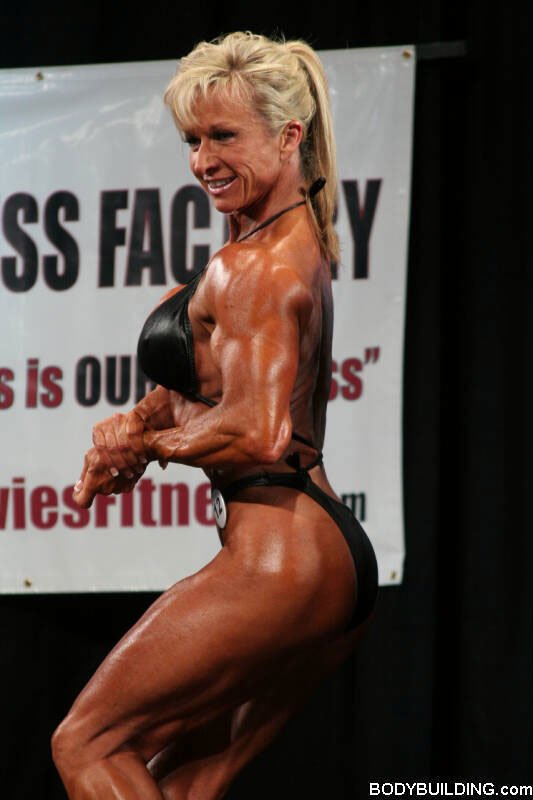
The middleweight class went to Holly Nicholson with Alicia St. Germain in second and Californian Becky West a close third.
 Click Image To Enlarge.
Holly Nicholson.
One of the most appeasing female physiques of the evening would have to go to middleweight fourth place winner Carrie Simmons.
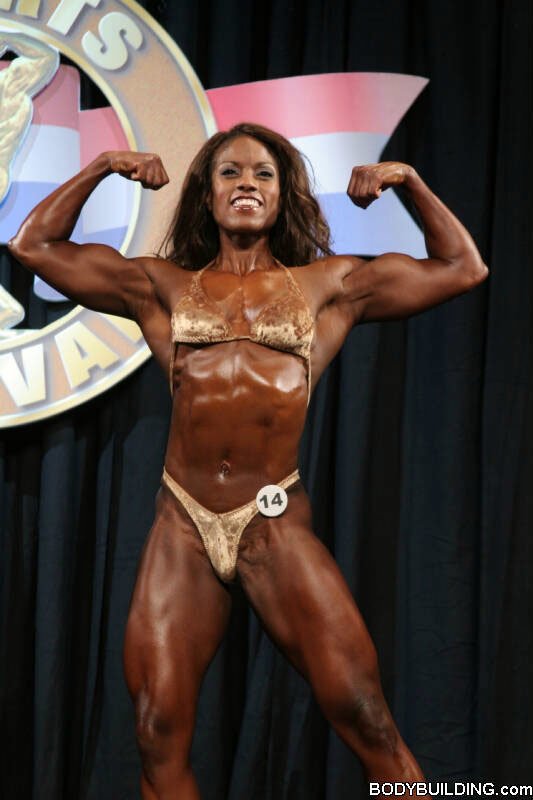 Click Image To Enlarge.
Carrie Simmons.
Simmons possessed the ideal mixture of muscularity and definition while still maintaining her femininity. She was rewarded for her efforts by the loudest crowd response of the evening.
Joanne Stewart came all the way from the Land of Kiwi to compete in the Arnold Amateur. The New Zealander soundly defeated her lightweight competition leaving second place to Millie Cleveland and third place to Glenda Bozett.
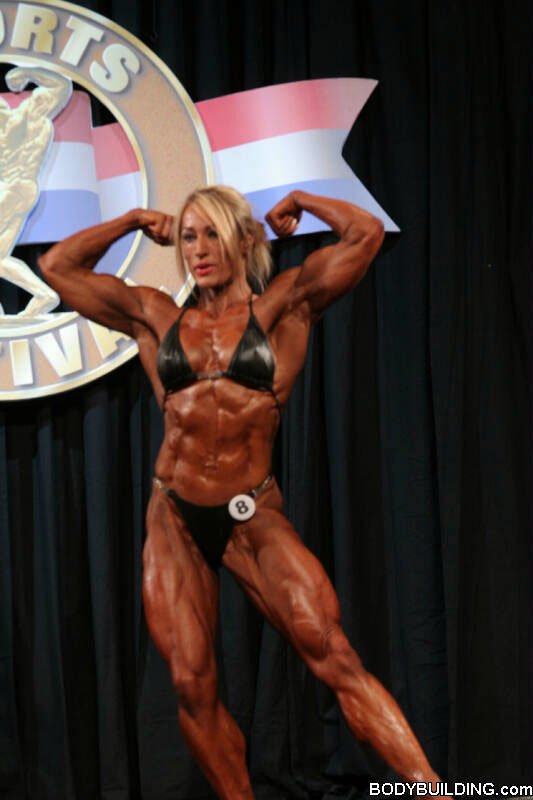 Click Image To Enlarge.
Joanne Stewart.
Placings
- Overall Women's Bodybuilding Winner: Mari Carmen Gomez Segura
- Joanne Stewart
- Millie Cleveland
- Glenda Bozett
- Maryann Glascock
- Dee Lazard
- Lisa Janusz
- Carrie Walend
- Genevieve Moreno
- Lori Snyder
- Penny Ruff
- Antoinette Gast
- Ellen Ferra
- Holly Nicholson
- Alicia St. Germain
- Becky West
- Carrie Simmons
- Christy Resendes
- Ayeda Silent
- Alisha Morrow
- Ebony Thomas
Finalists: Lightweight
Finalists: Middleweight
Finalists: Heavyweight
Women's Fitness
It was fitness short winner Allison Ethier's dynamic fitness routine that gave her a solid standing in the lineup. Her routine was a mixture of dance, gymnastics and some incredible upper body strength moves.
Sylvia Tremblay's mix of classic fitness routine moves coupled with her skilled baton twirling presentation prompted quite the applause during prejudging.
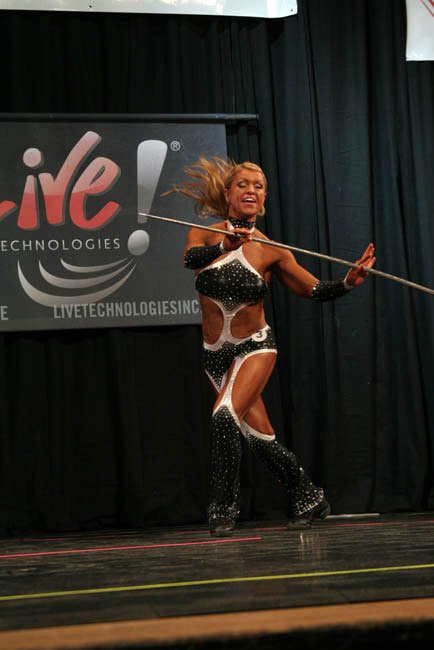 Click Image To Enlarge.
Sylvia Tremblay.
Megan Tennant's James Brown medley was my favorite of the fitness routines. Blending the moves of the Godfather of Soul with the flash of a Las Vegas showgirl it made for an interesting mix. At evenings end Tremblay took second and Tennant third.
In the fitness medium class Chantal Dicaire was the only competitor that came to play. And play she did. She had a great routine that featured some serious hang-time in her leaps. Chantal also made her strength moves look effortless.
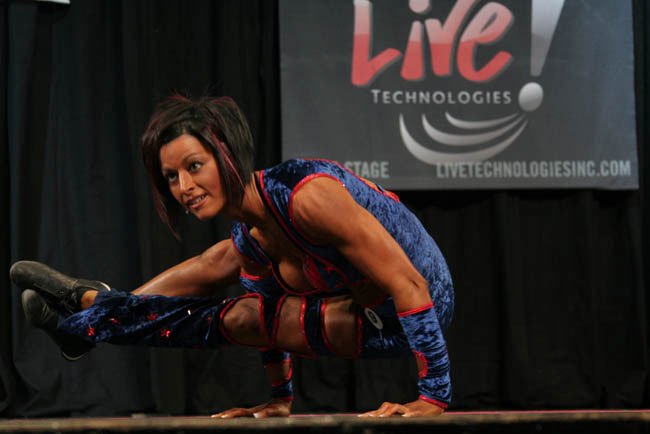 Click Image To Enlarge.
Chantal Dicaire.
The finals came down to Ethier and Dicaire both of whom have impressive competitive credentials. Ethier took 5th in her class at the 2007 CBBF and Dicaire placed second in her class at the same Canadian Championships.
The two Canadians had traveled a long road before finally competing side by side in Columbus. I doubt the judges had an easy time with the decision but decide they did. The 2008 fitness overall award was presented to the high school math teacher from Quebec Allison Ethier.
Placings
- Overall Fitness Winner: Allison Ethier
- Allison Ethier
- Sylvia Tremblay
- Megan Tennant
- Loana Muttoni
- Valerie Brown-Stephens
- Tammy McGregor
- Sonia Wagner
- Vanessa Wick
Finalists: Fitness Short
Finalists: Fitness Medium
Women's Figure
Over one hundred figure competitors from around the globe descended on Columbus to bring their idea of the best body to the stage. With six classes of world-class figures prejudging must have seem a daunting task to the international panel.
The dark haired beauty from the Silver State Candice Houston earned top honors in Class B and took the overall award too. She had competition though.
 Click Image To Enlarge.
Amateur Figure Competitors.
Class A winner Linda Fodor-Egelstig and Class C winner Pamela Soper both presented fantastic physiques. Fodor-Egelstig sported wider shoulders and more of a sweep to the thighs as apposed to Soper's more streamlined look.
Class D seemed the most difficult to judge due to the similarity in the top five physiques. Each contestant delivered a package in line with IFBB guidelines.
Winner Kristy McKinney probably got the first place trophy for her excellent stage presentation and chiseled abdominals.
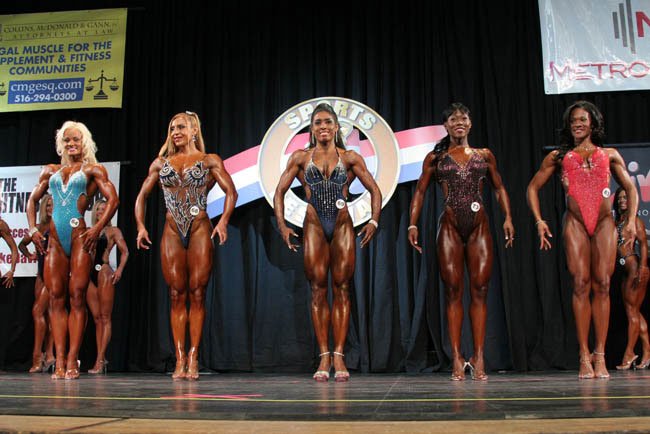 Click Image To Enlarge.
Amateur Figure Competitors.
Tall and conditioned with perfect skin tone was what gave Canadian Natalie Waples the edge in Class E over the lovely Francisca Dennis. Dennis possessed some of the best-shaped delts of the show and her V-taper was quite impressive for a woman of her height.
In Class F it was Sandy Helmig who trekked all the way from Alberta, Canada to win the class. The blond haired, green-eye beauty looked like she would be more at home in Malibu then the Great White North.
Second place was the ebony princess Jennifer Hernandez. Hernandez is from the New York City and deserves the "best personality award." She was the darling of the show.
Another few of my personal awards: The best smile award goes to Colorado's Jaime Meade. The Georgia Peach Melissa Froio takes the title for the tiniest waist. Best eyes go to Lindsey Bundy. And sexiest hair goes to Keisha Pedigo.
Placings
- Overall Figure Winner: Candice Houston
- Linda Fodor-Egelstig
- Melissa Froio
- Lindsey Bundy
- Kandi Allen
- Kelli Ann Correa
- Debbie Bell
- Catherine Norris
- Jennefer Hoffman
- Stacey Pillari
- Shawna Kondo
- Paticia Crvich
- Candice Houston
- Glenese Markus
- Amber Hill
- Jean Jitomir
- Misty Schaffer
- Michele Levesque
- Esmeralda Saxenian
- Lori Lynn Quintero
- Melissa Lefebvre
- Katie Kersey
- Stephanie Martini
- Jill Frew
- Keisha Pedigo
- Gloria Puckett
- Laura Morland-Rose
- Pamela Soper
- Casey Jovan
- Tina Davis
- Daphne Bascom
- Leah Berti
- Heather Stewart-Olds
- Amy Kessler
- Trish Rice-Hogan
- Allison Black-Stirling
- Emily Little
- Heather Malone
- Bernadette Marturano
- Tonya Todd
- Laura Cavender
- Sandra Brewer-Stakely
- Kristy McKinney
- Kendra McAdams
- Karin Kimura
- Dixie Reynolds
- Celeste Bonin
- Andrea Swanson
- Yolanda Tillman
- Laura Bailey
- Glauce Ferreira
- Qawnana Crockett
- Viviana Casarubbia
- Heather Wilson
- Tiffany Reffner
- Angie Ratliff
- Elizabeth Earnhart
- Natalie Waples
- Francisca Dennis
- Tami Delzenero
- Gabriela Cioban
- Jaime Meade
- Marie Christine Deblock
- Kate Heath
- Klubo Rachel
- Melissa Pittman
- Christine Kluger
- Mindy Dower
- Ripert Marie Pierre
- Dawnice Beckley
- Sherri Stokes
- Amity Hall
Finalists: Figure A Class
Finalists: Figure B Class
Finalists: Figure C Class
Finalists: Figure D Class
Finalists: Figure E Class
Finalists: Figure F Class
Subscribe to:
Comments (Atom)


 Posts
Posts

